

How To Heal Teeth Spacing After A Deep Tissue Cleaning
Dentists propose that patients take their teeth cleaned past a dental hygienist twice a year to remove plaque that can cause cavities. Deep cleaning besides removes plaque, simply is a more extensive process. It is only recommended only for people experiencing symptoms of gum affliction, also known as periodontitis.
Gum disease is an infection of the glue tissue. Alert signs include ruby-red, bloated, and painful gums. Patients may also experience bad breath and receding tissue at the gumline.
The status starts out equally gingivitis, which can often be reversed past improving dental hygiene. If left alone, gaps chosen pockets will course between tooth and gum, exposing the root to the infection-causing bacteria. When this happens, the dentist may recommend a deep cleaning to remove decay and let the gums to heal.
Deep Cleaning Treatments
Deep cleaning therapy is called periodontal scaling and root planing, abbreviated as SRP. Like regular teeth cleaning, information technology removes plaque. Nonetheless, a deep cleaning goes below the gumline to care for the entire tooth, including the root.
The procedure can exist completed at the dentist's role, simply often the dentist will refer patients to a glue specialist chosen a periodontist. They will use some of the same tools as a dental hygienist to scrape the teeth, just may besides utilize stronger, ultrasonic tools. Because it is more than involved, the process may be spread over multiple part visits. Using a local anesthetic or sedation is common when the problem is severe, since working near the tooth's root can be painful.
Afterward applying an coldhearted to numb the patients teeth and gums, the periodontist scrapes plaque off of the teeth beneath the gum. This is called scaling or debridement.
Once the plaque is removed, the side by side stride is root planing. The periodontist uses tools to smooth out the surfaces of the roots. This takes care of any remaining bacteria, resulting in a clean, even surface that the gums can reattach to.
What to Expect Subsequently Treatment
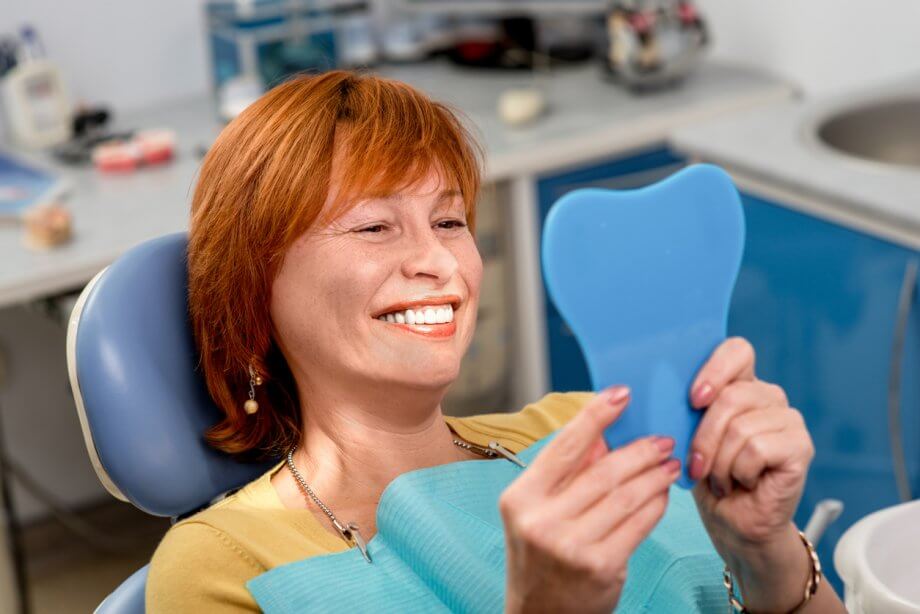
Even after a routine teeth cleaning, teeth tin be sensitive. Some people even worry that a cleaning tin impairment teeth and gums. That is highly unlikely, but hygienists need to apply more force if in that location is a lot of stubborn plaque. It is understandable that this might hurt a bit.
The aftereffects of a deep cleaning can feel even more extreme. Patients unremarkably have some mild to moderate pain and sensitivity for the first 24-hour interval or two, along with a pocket-sized amount of bleeding. Within a week the gums volition kickoff to heal and reattach to the roots of the teeth. The initial discomfort should be gone. Full recovery and reattachment can take up to six or viii weeks, but patients are usually dorsum to normal eating, drinking, brushing, and flossing within the first calendar week.
Deep Cleaning Aftercare
Subsequently deep cleaning treatment, it is of import to follow instructions provided by the dentist or periodontist. In full general, this means treating the teeth and gums gently until they feel ameliorate and healing has begun. Some specific recommendations include:
Let coldhearted clothing off completely. Expect until the mouth is no longer numb earlier eating anything or brushing.
Stick to soft foods. Patients' mouths will likely be too sore to bite into an apple tree or chew a slice of steak. Withal, fifty-fifty once they feel ameliorate, be careful nearly attempting anything crunchy or chewy or that could be stuck under gums like popcorn. This could damage the gums earlier they have a chance to heal.
Avert hot liquids. Hot beverages tin can increment bleeding in the first few days.
Brush and floss gently. Patients should be able to castor the same day as treatment, but very gently. Flossing tin can usually resume the side by side mean solar day.
Antibiotics. Because treatment exposes the tooth roots and gums, there is a risk of infection. The dentist may prescribe antibiotics. Patients should continue to take the entire course of medication as prescribed.
Over-the counter medications. Tylenol or Advil are fine to use for minor pain and swelling.
Ice for swelling. Gums might feel bruised after the procedure. An ice pack can relieve hurting and swelling.
Rinse with salt h2o. A saltwater rinse several times a mean solar day can assist with discomfort. Avoid any rinsing within the beginning 24 hours, withal.
Causes for Concern Later Deep Cleaning
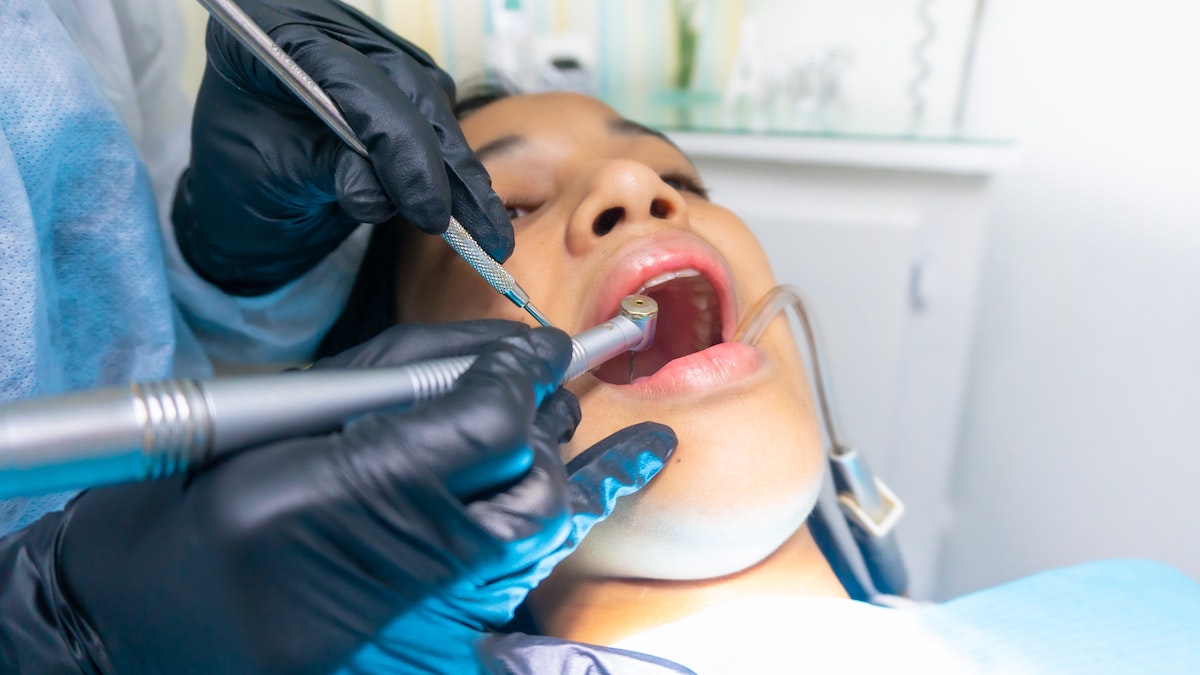
Even though deep cleaning can be painful, the discomfort typically goes away within the showtime calendar week or sooner. If hurting lasts longer or becomes more intense every bit the days become by or if there is excessive bleeding, contact the dentist immediately.
Aside from the possibility of infection, there are few concerns with deep cleaning. It is usually a straightforward procedure with little adventure of complications.
Some patients may observe that their gum recession has not improved later on treatment. In fact, once the swelling associated with glue disease goes away, the gums could appear to exist receding even more than before the deep cleaning. This is normal for some people. In severe cases of periodontal disease, the glue tissue is too damaged to grow back completely.
If the situation is bothersome, the patient may exist a candidate for laser gum reshaping or recontouring. This typically follows pocket reduction surgery, where an oral surgeon closes the gaps betwixt the teeth and gums. Or regeneration therapy which grafts new gum tissue to fill in the gumline.
Deep Cleaning for Gum Wellness
Dentists agree that deep cleaning that includes periodontal scaling and root planing is the well-nigh effective non-surgical treatment for periodontitis. Although it tin be uncomfortable, it is frequently the best thing to avoid mucilage disease from doing further damage.
As with whatever dental consequence, prevention tin can eliminate the demand for deep cleaning treatments. Practice proficient oral hygiene by brushing and flossing regularly. See a dentist twice a year for checkups and a professional person cleaning. And address whatever early on signs of gum disease right abroad.If yous need a referral to a dentist or periodontist in your area, employ our online search tool.

How To Heal Teeth Spacing After A Deep Tissue Cleaning,
Source: https://dentalhealthsociety.com/oral-health/what-happens-to-your-teeth-after-a-deep-cleaning/
Posted by: abrahamtifichatis.blogspot.com
0 Response to "How To Heal Teeth Spacing After A Deep Tissue Cleaning"
Post a Comment